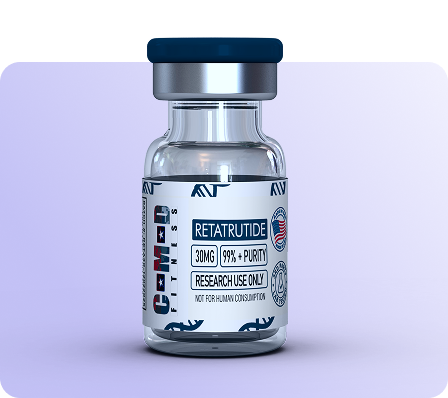
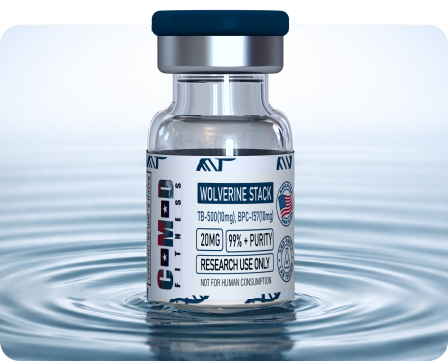
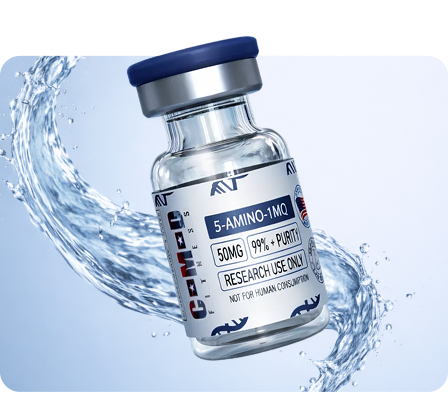
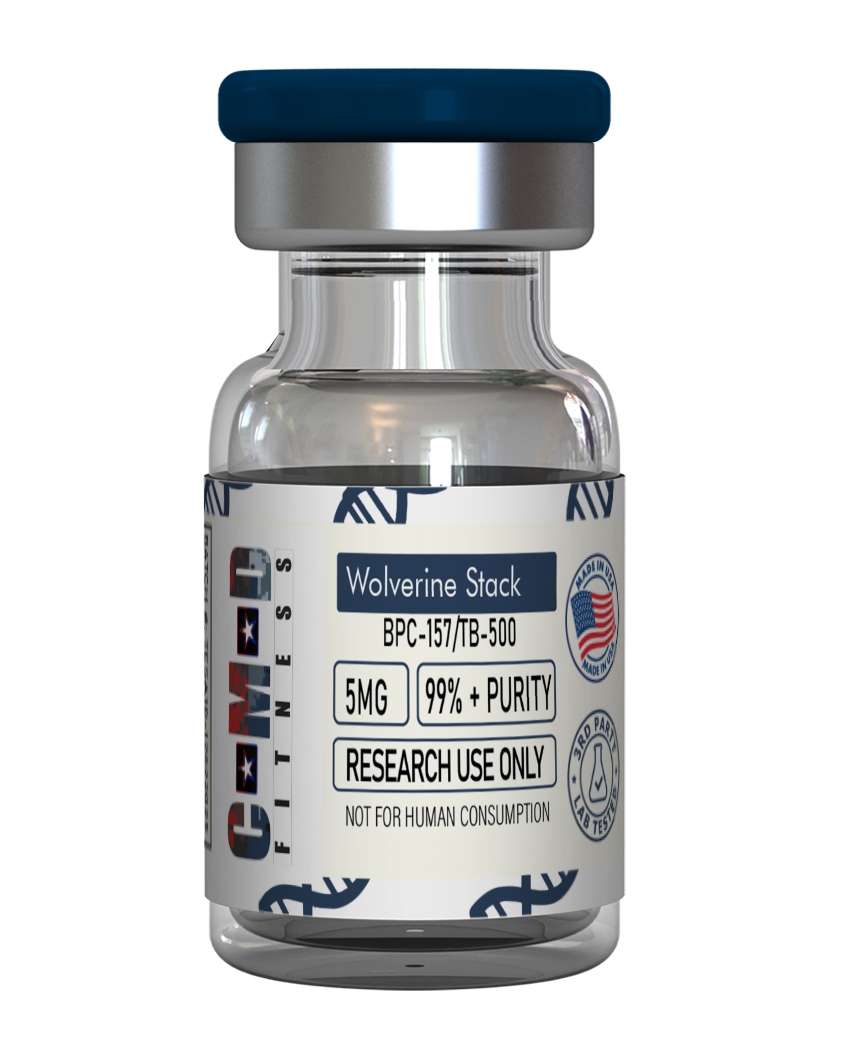
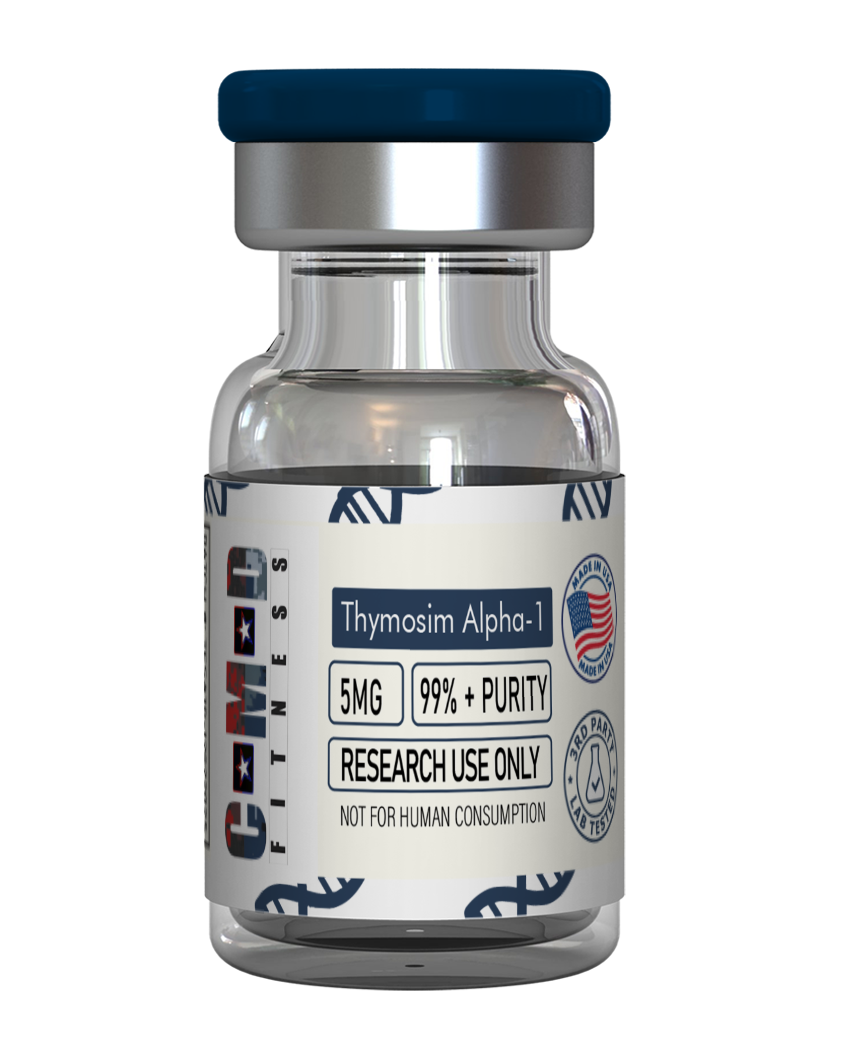
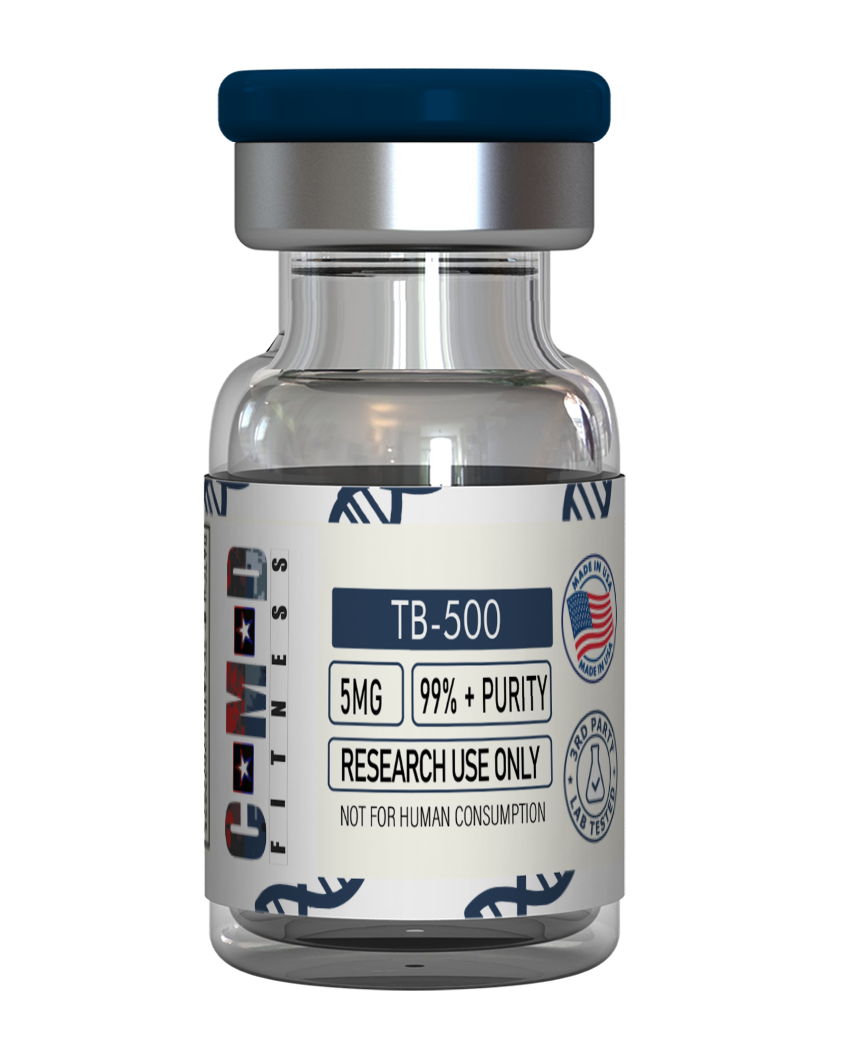
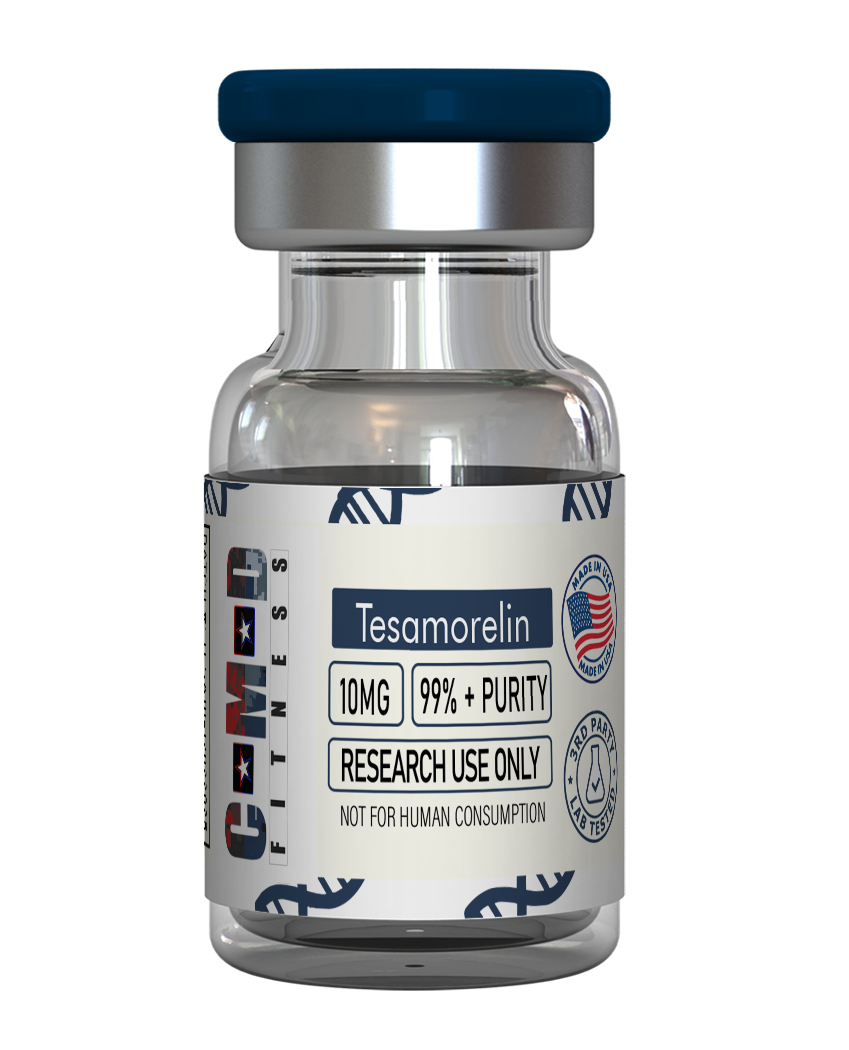
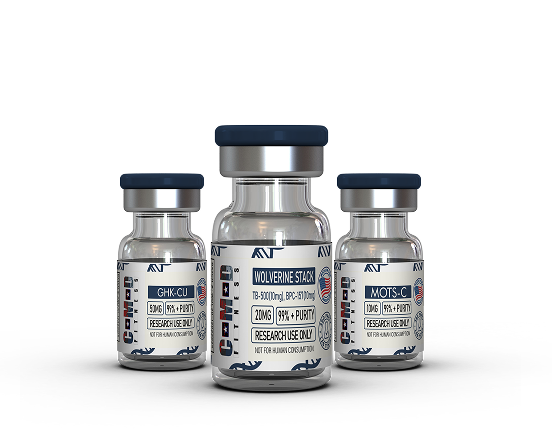
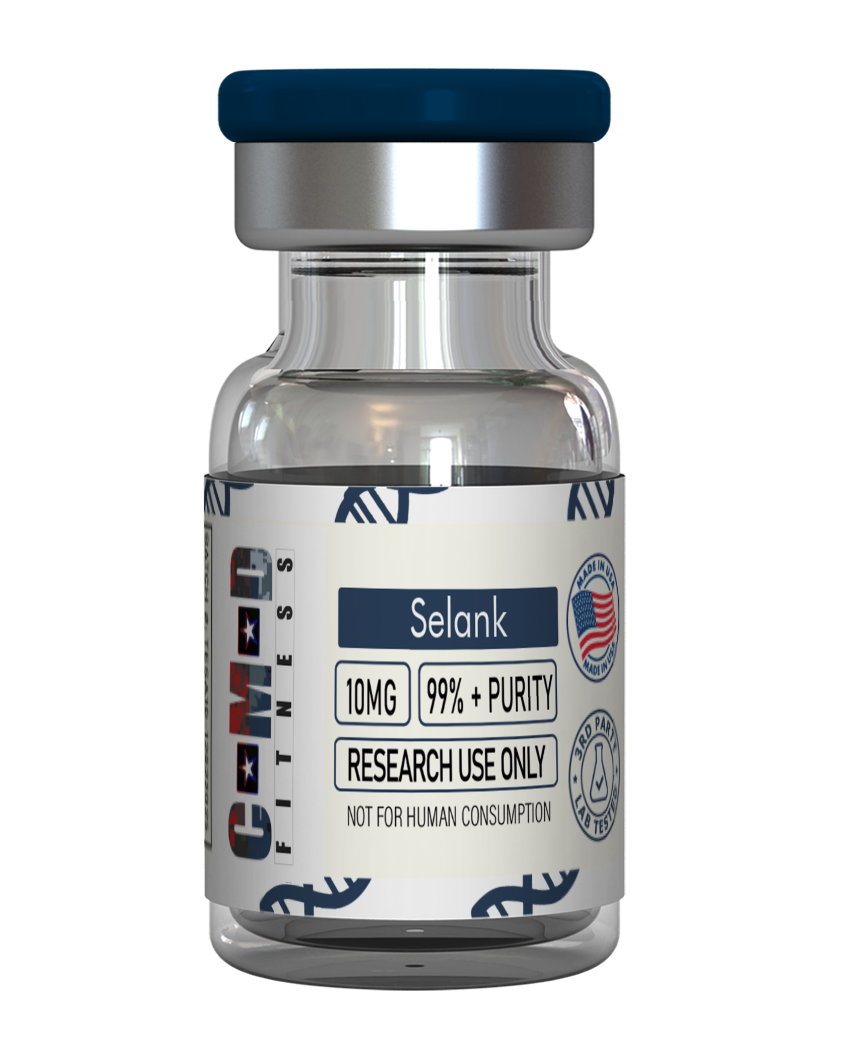
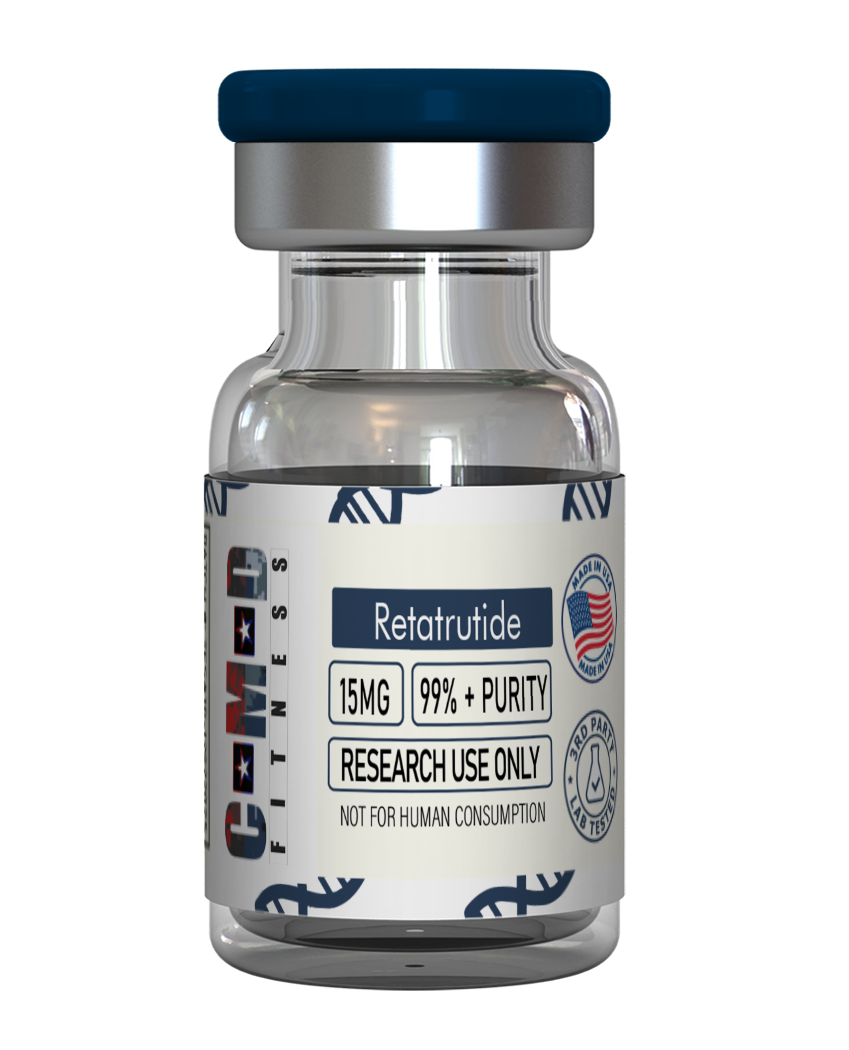
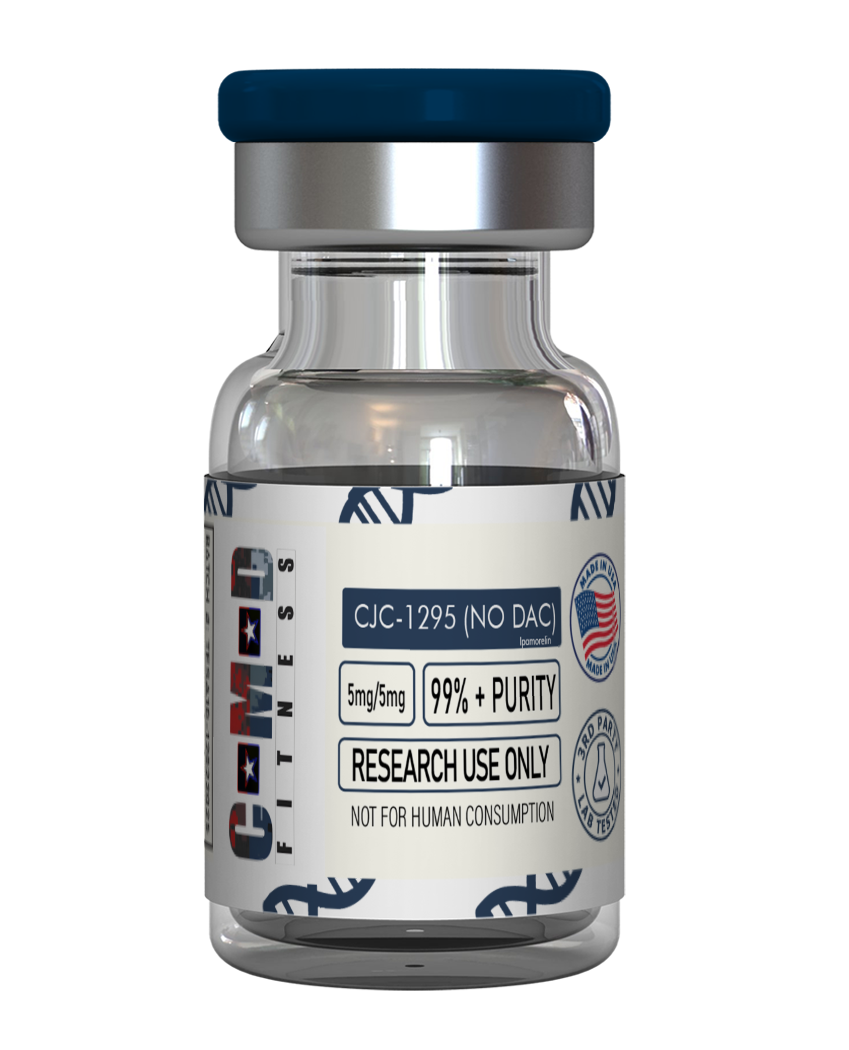
Health, Wellness, and Fitness. 99%+ Pure Peptides
Lab-tested peptide formulations developed with strict quality standards for controlled research and investigational applications.
Lab Tested by Freedom Diagnostic Testing.
- Intended for Research & Laboratory Use
- Independently Lab Tested
- High-Purity Formulations
- Quality-Controlled Production
Command Center is a leading provider of USA manufactured, research peptides. We are proud to be a trusted resource for the products we provide to the scientific community.
Purity Standards
Our peptides are manufactured under controlled conditions with strict handling protocols to reduce variability and contamination.
Quality Control & Verification
Each batch undergoes analytical testing to verify identity, purity, and consistency. Documentation is available to support transparency and repeatability.
Precision in Formulation
Formulations are prepared using validated processes to ensure consistency across batches, supporting reproducible research outcomes.
Frequently Asked Questions
What are your products intended for?
🧬 What Are Peptides and What Are They Used For?
Peptides are short chains of amino acids (the building blocks of proteins). In the body, they act as signaling molecules that tell cells what to do—such as producing hormones, repairing tissue, regulating metabolism, or supporting immune function.
Because of this signaling role, peptides are widely studied and used in medicine, research, cosmetics, and biotechnology.
Main Uses of Peptides
1️⃣ Medical Treatments
Some peptides are approved medications used to treat specific diseases and health conditions.
Examples include:
Hormone regulation – peptides that influence growth hormone or insulin signaling
Diabetes treatment – GLP-1 peptide drugs used to regulate blood sugar and appetite
Cancer therapy – certain peptides target tumor cells or stimulate immune responses
Cardiovascular health – peptides that regulate blood pressure and circulation
Fertility treatments – peptides that influence reproductive hormones
These peptides are developed through clinical trials and approved by regulatory agencies before being prescribed.
2️⃣ Scientific & Biomedical Research
Many peptides are produced specifically for laboratory research.
Scientists use them to study:
Aging and cellular lifespan
Hormone signaling
Immune responses
neurological processes
metabolism and fat regulation
tissue repair and regeneration
Research peptides help scientists understand how biological pathways work and may lead to future therapies.
3️⃣ Fitness and Metabolic Research
Certain peptides are investigated in research related to:
muscle growth signaling
fat metabolism
endurance and recovery
mitochondrial function
hormone regulation
Researchers study these pathways to better understand human performance, aging, and metabolic health.
4️⃣ Anti-Aging & Longevity Research
Peptides are heavily studied in longevity science because they can influence:
cellular repair processes
oxidative stress
telomere activity
mitochondrial function
hormone balance
This is why some peptides (like Epithalon or thymic peptides) are investigated for their potential role in aging biology.
5️⃣ Skin Care & Cosmetics
Many peptides are used in cosmetic products because they may stimulate collagen and skin repair.
Common cosmetic uses include:
wrinkle reduction
collagen stimulation
skin hydration
improved elasticity
wound healing
These are often called “cosmetic peptides.”
6️⃣ Biotechnology & Diagnostics
Peptides are also used in scientific technology such as:
vaccine development
antibody research
diagnostic testing
drug delivery systems
molecular imaging
How Peptides Work in the Body
Peptides generally work by binding to receptors on cells, which triggers biological responses.
Examples of peptide actions include:
telling cells to produce hormones
activating tissue repair
regulating metabolism
signaling the immune system
controlling cell growth and communication
Because peptides mimic natural signaling molecules, they can influence very specific biological pathways.
Important Note
Not all peptides are approved for medical use. Many are produced only for laboratory research to help scientists understand biological mechanisms.

Are these products approved for human or veterinary use?
Yes—some peptides are approved for human and veterinary use, but many peptides are still experimental and used only for research. Approval depends on whether a specific peptide has completed clinical testing and received regulatory authorization.
In the United States, approvals are primarily handled by the FDA (U.S. Food and Drug Administration).
1️⃣ Peptides Approved for Human Medical Use
Several peptides are FDA-approved medications used to treat specific medical conditions.
Examples of Approved Human Peptide Drugs
Insulin
Used for treatment of diabetes.Semaglutide
Used for type 2 diabetes and weight management.Liraglutide
Used for diabetes and chronic weight management.Leuprolide
Used for prostate cancer, endometriosis, and hormone therapy.Oxytocin
Used to induce labor and control postpartum bleeding.Desmopressin
Used for diabetes insipidus and certain bleeding disorders.
These peptides have undergone clinical trials for safety and effectiveness before being approved for medical use.
2️⃣ Peptides Approved for Veterinary Use
Some peptides are also approved for animal health treatments.
Examples include:
Buserelin
Used in cattle and horses for reproductive management.Deslorelin
Used in dogs and ferrets for hormone control and fertility management.
Veterinary peptide medications are regulated by the FDA Center for Veterinary Medicine (CVM).
3️⃣ Research Peptides (Not Approved for Medical Use)
A large number of peptides are produced only for scientific research. These are commonly labeled:
“For Research Use Only”
“Not for Human Consumption”
Examples frequently studied in research include:
Epithalon
BPC-157
TB-500
CJC-1295
DSIP
These compounds are used to study biological pathways such as aging, tissue repair, and metabolism, but they have not been approved by regulatory agencies for human or veterinary treatment.
4️⃣ Why Some Peptides Are Not Approved Yet
Drug approval requires extensive testing:
Laboratory research
Animal safety studies
Phase I human safety trials
Phase II effectiveness trials
Phase III large-scale clinical trials
This process can take 10–15 years before approval.
🧠 Summary
| Category | Status |
|---|---|
| FDA-approved peptide drugs | Used in human medicine |
| Veterinary peptide drugs | Used in animal health |
| Research peptides | Not approved for human or animal treatment |
| Experimental peptides | Still under scientific investigation |
Are your peptides lab tested?
Yes, all of the peptide products we offer are tested by Freedom Diagnostics Testing. A Certificate of Analysis (COA) is provided for each batch/lot number and corresponds to the lot number listed on the product vial. COAs can be viewed on their website at www.freedomdiagnostics.com
What is Freedom Diagnostic Testing and how does it work?
At Freedom Diagnostics Testing, we specialize in providing high-precision purity testing for research-use-only peptides with an unmatched turnaround time. Our hands-on approach simplifies complex testing, ensuring you receive fast, accurate results that empower you to make informed decisions with confidence.
What is tested?
1. Purity
2. Sterility
3.
4.
5.
Do you provide Certificates of Analysis (COA)?
Yes, COA’s will be provided by Batch/Lot# printed on the product label. COA’s can be searched on the Freedom Diagnostics Testing @ Certificate of Analysis Lookup – Freedom Diagnostics Testing
COA’s are searchable under Velo Labs
What purity standards do your peptides meet?
Our Peptides are at or exceeds 99.7+% purity levels.
1️⃣ Peptides Approved for Human Medical Use
Several peptides are FDA-approved medications used to treat specific medical conditions.
Examples of Approved Human Peptide Drugs
Insulin
Used for treatment of diabetes.Semaglutide
Used for type 2 diabetes and weight management.Liraglutide
Used for diabetes and chronic weight management.Leuprolide
Used for prostate cancer, endometriosis, and hormone therapy.Oxytocin
Used to induce labor and control postpartum bleeding.Desmopressin
Used for diabetes insipidus and certain bleeding disorders.
These peptides have undergone clinical trials for safety and effectiveness before being approved for medical use.
2️⃣ Peptides Approved for Veterinary Use
Some peptides are also approved for animal health treatments.
Examples include:
Buserelin
Used in cattle and horses for reproductive management.Deslorelin
Used in dogs and ferrets for hormone control and fertility management.
Veterinary peptide medications are regulated by the FDA Center for Veterinary Medicine (CVM).
3️⃣ Research Peptides (Not Approved for Medical Use)
A large number of peptides are produced only for scientific research. These are commonly labeled:
“For Research Use Only”
“Not for Human Consumption”
Examples frequently studied in research include:
Epithalon
BPC-157
TB-500
CJC-1295
DSIP
These compounds are used to study biological pathways such as aging, tissue repair, and metabolism, but they have not been approved by regulatory agencies for human or veterinary treatment.
4️⃣ Why Some Peptides Are Not Approved Yet
Drug approval requires extensive testing:
Laboratory research
Animal safety studies
Phase I human safety trials
Phase II effectiveness trials
Phase III large-scale clinical trials
This process can take 10–15 years before approval.
How are the peptides supplied?
Raw Materials are obtained from China but are reprocessed through our facility to increase purity levels above Rx purity standards.
How should products be stored?
🧬 Storage Guidelines for Lyophilized and Reconstituted Peptides
Proper storage is essential to help maintain the stability, purity, and integrity of peptide products used for laboratory research.
1️⃣ Storage of Lyophilized (Freeze-Dried) Peptides
Lyophilized peptides are typically more stable because the moisture has been removed during the freeze-drying process.
Recommended Storage Conditions
Temperature:
Store in a refrigerator (2–8°C / 36–46°F) for short-term storage.Long-Term Storage:
For extended periods, peptides are best stored in a freezer (-20°C / -4°F or colder).Keep Dry:
Protect from moisture and humidity, which can degrade peptides.Protect From Light:
Store vials in a dark place or original packaging to minimize UV exposure.Avoid Frequent Temperature Changes:
Repeated warming and cooling can reduce stability.
Typical Stability
Refrigerated: several months
Frozen: 1–2+ years depending on peptide
2️⃣ Storage After Reconstitution (Mixed with Bacteriostatic Water)
Once a peptide is reconstituted with bacteriostatic water (BAC water), it becomes more susceptible to degradation.
Recommended Storage Conditions
Temperature:
Store in a refrigerator at 2–8°C (36–46°F).Do Not Freeze:
Freezing a mixed peptide solution can cause peptide degradation and precipitation.Minimize Light Exposure:
Keep the vial protected from light.Avoid Contamination:
Always use sterile handling techniques to prevent contamination.
3️⃣ Typical Stability After Reconstitution
Stability varies by peptide, but many research peptides remain stable for approximately:
| Storage Condition | Typical Stability |
|---|---|
| Lyophilized (Refrigerated) | Several months |
| Lyophilized (Frozen) | 1–2+ years |
| Reconstituted (Refrigerated) | ~20–30 days |
Some peptides may degrade faster, so researchers often prepare only the amount needed for short-term use.
4️⃣ Best Practices for Researchers
To maintain peptide quality:
Store lyophilized peptides frozen when possible
Keep vials sealed until ready for use
Avoid repeated freeze–thaw cycles
Label vials with date of reconstitution
Use clean sterile handling procedures
⚠️ Research Use Notice:
Peptides sold as research compounds are typically labeled for laboratory research use only and not for human consumption.
Be the first to know
Receive all the latest information on events, sales, & offers.